"From ESP32 to SDR: three starter projects with an RTL-SDR v4"
From ESP32 to SDR: three starter projects with an RTL-SDR v4
Most people arrive at software-defined radio through one of two doors: the ESP32 (cheap, radio-capable, endlessly hackable) or the RTL-SDR dongle (a US$40 receiver that covers 500 kHz to 1.7 GHz). They complement each other better than people expect — the ESP32 handles GPS, logging, displays and local control; the RTL-SDR receives things the ESP32's radios can't touch, from aircraft transponders to weather satellites. Here are three starter projects that combine our RTL-SDR V4 receiver kit (A$55) with the ESP32 gear we stock, all lawful, all receive-only.
First: set the V4 up properly
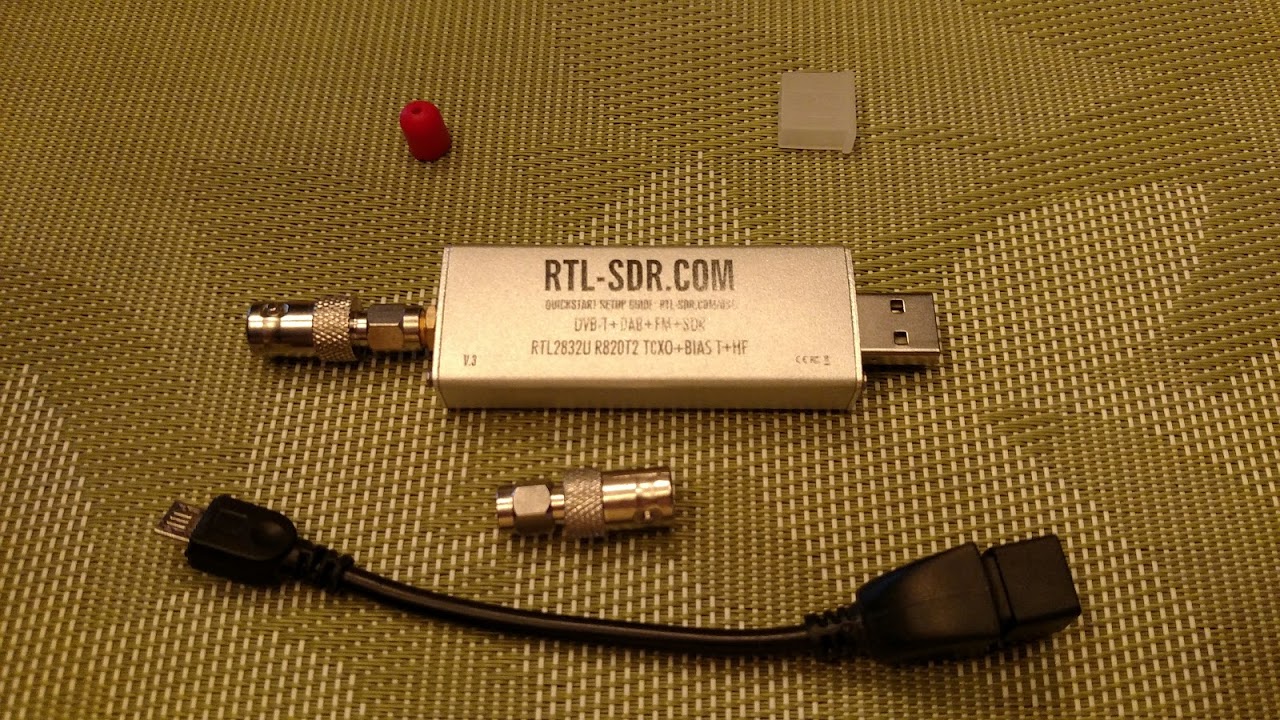
The V4 is the RTL-SDR Blog's current flagship dongle — direct sampling for HF, better filtering, and a built-in bias-tee for powering LNAs over the antenna cable. Don't improvise the setup: the official RTL-SDR Blog V4 users guide and the RTL-SDR quick start guide cover driver installation and first software runs for Windows and Linux. Do that once and every project below starts from a working receiver.
Project 1: ADS-B aircraft tracking
ADS-B is the transponder broadcast every airliner emits at 1090 MHz — position, altitude, callsign — and a V4 plus any 1090 MHz antenna turns it into a live radar map on your own screen. The decoder everyone uses is dump1090; the rtl-sdr.com dump1090 archive collects years of tutorials and the modern branches like wiedehopf's readsb (the maintained dump1090 derivative most Raspberry Pi feeders run today) and the original MalcolmRobb dump1090 are on GitHub with install scripts.
Our parts: the RTL-SDR V4 kit with its dipole antenna gets you a first map on day one; the ADS-B 1090 MHz outdoor antenna (A$34.90) is the upgrade that takes range from ~50 km to 200+ km line-of-sight; the LNA + FM/ADS-B filter set cleans up the overload you'll hit in metro areas. Where does the ESP32 come in? A GT-U7 GPS module on an ESP32 gives you an accurate station position and a stratum-quality time reference for your feeder, and an ESP32 display board makes a nice standalone "departures board" showing the planes overhead. Receiving is completely passive and legal — you're listening to public safety broadcasts.
Project 2: NOAA weather satellite images
The strangest magic trick in radio hobbyism: with a US$55 receiver you can catch polar-orbiting NOAA satellites passing overhead and decode live weather images of your own continent. NOAA-15, 18 and 19 still broadcast APT images around 137 MHz several times a day. The canonical tutorial is rtl-sdr.com's receiving NOAA weather satellite images guide, and the Baltic Lab walkthrough using the RTL-SDR Blog V4 and its own dipole kit is the best modern version — it shows the V-dipole configuration that makes the included antenna work for satellites without buying anything else.
The V4 kit's dipole is genuinely the right first antenna here — bent into a V shape, tuned to 137 MHz. Your first decoded image of an approaching weather front, received from space with gear in a shoebox, is the moment most people get hooked on SDR.
Project 3: GPS-synced wardriving and spectrum logging
Pair the ESP32 side of the collection with the SDR side and you get the mobile lab: ESP32 running Marauder or Bruce firmware scanning 2.4 GHz WiFi while the RTL-SDR logs the wider spectrum, both tagged with GPS from the GT-U7 module. This is the receive-only version of the classic flipperzero-wardriver architecture — passive scanning and logging only, mapped to your own drives. If you want a screen on the rig, the ESP32-S3 4.3" touch display board runs the dashboard.
Skill level
All three are beginner-to-intermediate: the software installs are copy-paste, the only soldering anywhere is optional antenna work, and nothing transmits. Budget a weekend for ADS-B, a long afternoon for the satellite project once your receiver works.
Lawful use
Everything above is receive-only: no transmission, no interference, nothing to authorise. Aircraft and satellite bands are public broadcasts. The one habit to build early — because it matters if you later move into transmitting hobbies like Meshtastic or amateur radio — is logging what you receive with time and position, which the GPS module setup gives you for free. We covered the Australian legal frame for the wireless-testing end of this in WiFi testing law in Australia.
Affiliate disclosure: products linked are our own store.