"Smart doorbells and the neighbour problem: what Australian law actually says about pointing cameras at other people's homes"
Smart doorbells and the neighbour problem: what Australian law actually says about pointing cameras at other people's homes
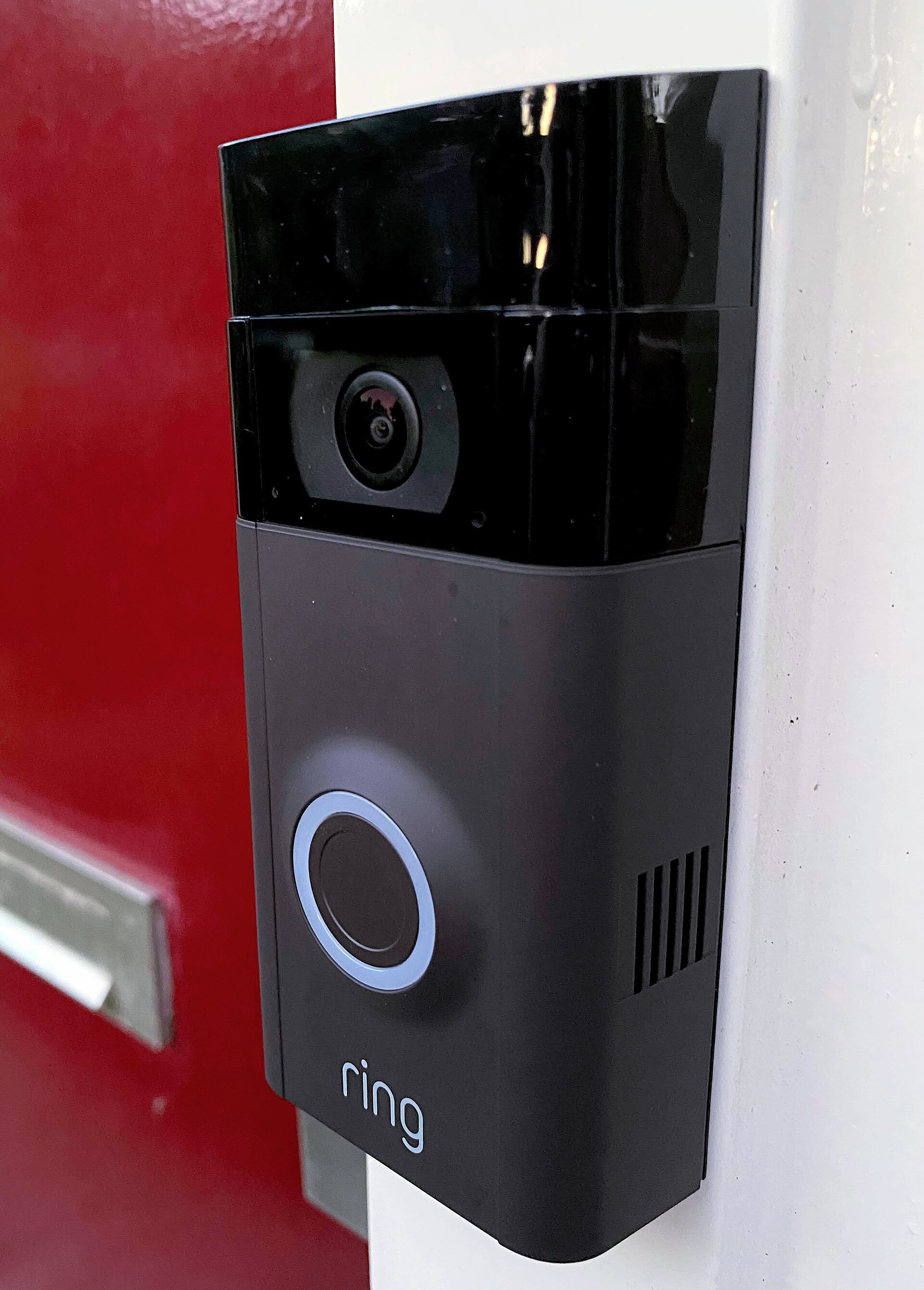
Video doorbells are everywhere now, and so are the disputes: the camera that catches the neighbour's comings and goings, the mic that records their porch conversations, the motion light that fires every time they take the bins out. Australian law handles all of this with a patchwork — and since June 2025, with a new court route that changes the balance.
The old patchwork: no general right to privacy
Until recently the honest answer to "is my neighbour's doorbell legal?" was "probably, annoyingly." Australia has no general statutory right to privacy at common law, and photographing anything visible is not an offence in itself. As Professor Barbara McDonald told the ABC's Law Report, the protection that exists is a patchwork of state surveillance laws and common law doctrines with real gaps. (ABC Law Report)
What does apply:
- Surveillance devices acts in every state criminalise recording a "private activity" without consent — e.g. Victoria's Surveillance Devices Act 1999 s 7 (optical surveillance of a private activity) and WA's Surveillance Devices Act 1998 s 6, where a person would reasonably expect privacy. A doorbell pointed at your own porch is usually fine; one pointed into a neighbour's windows or backyard is not. (Vic s 7, WA s 6)
- Nuisance: the 1995 NSW case Raciti v Hughes established that deliberately snooping on and recording a neighbour is an actionable nuisance where it interferes with their use and enjoyment of their land.
- The Privacy Act generally doesn't reach households — the small-business exemption and personal-household carve-out mean a homeowner's doorbell is typically outside the OAIC's ordinary jurisdiction. The OAIC's guidance is aimed at organisations: entities covered by the Act must tell you your image may be captured and destroy recordings when no longer needed. (OAIC — Security cameras)
What changed in 2025: the statutory tort
The statutory tort for serious invasions of privacy, in force since 10 June 2025, is the piece most relevant to doorbell disputes. It applies to individuals — not just Privacy Act entities — and covers intruding upon a person's seclusion or misusing their information where a reasonable expectation of privacy existed and the public interest in privacy outweighs countervailing interests. A camera systematically recording a neighbour's private space can now ground a damages claim in court, with injunctions and ordered apologies available. There are time limits: generally one year from becoming aware of the invasion, or three years after it occurred. (OAIC — statutory tort)
No landmark doorbell judgment under the tort has been published yet — expect the first wave of cases to define where "security footage" ends and "surveilling your neighbour" begins.
Tribunals: mostly a strata and tenancy battleground
The disputes that reach tribunals today usually arrive through by-laws rather than privacy law. Queensland's commercial and consumer tribunal has dealt with repeated CCTV fights: a September 2024 decision about a lot owner who installed a committee-approved camera system then tried to relocate it without approval, and a January 2025 decision testing whether cameras capturing common property breached nuisance by-laws. (Central Heights [2024] QBCCMCmr 359, Noosa Shores [2025] QBCCMCmr 14) In Victoria, Fang v Owners Corporation ([2025] VCAT 32) dealt with CCTV installed without the owners corporation's consent under model rules. The pattern: in strata, the camera question is usually a consent question.
Practical rules of thumb
If you're installing: keep the field of view on your own property, disclose it to anyone it plainly captures, mind the microphone — audio recording of private conversations triggers stricter state laws than video — and check your strata or tenancy agreement first. If you're the one being recorded: document what's captured and when, raise it in writing, and know that the statutory tort plus nuisance give you two legal levers that didn't exist in combination before 2025. If the household angle concerns your own phone's exposure to third-party capture and tracking, our degoogled phone comparison covers the device side, and a simple webcam cover 3-pack handles the lens on the other side of the glass. For the enforcement picture at the organisational level, see our piece on OAIC enforcement and breach data.
This article is general information, not legal advice.